AI Voice Agents for Small Business: A Buyer’s Guide
An AI voice agent answers your phone, holds a natural conversation, and completes tasks like booking appointments.

An AI voice agent answers your phone, holds a natural conversation, and completes tasks like booking appointments.

These eight home service KPIs are the most important to track, starting with the number most lists leave out entirely: what percentage of your inbound calls actually get answered.

How to calculate the return on an answering service using your own call volume, booking rate and average ticket, including the break-even math.

Call booking rate is the share of answered calls that turn into scheduled jobs. Here’s how to measure it, what good looks like, and eight ways to raise it.

Nine questions to ask before choosing an AI answering service, including the integration and escalation questions most buyers only think of after signing.

Making customer acquisition cost measurements accurate for a home service business takes three adjustments the standard guides never mention: a per-channel breakdown, seasonality, and the share of your spend that generated calls nobody answered.

Missed call text-back automatically sends an SMS to anyone whose call you did not answer, so the caller gets an immediate acknowledgment and a way to continue by text.
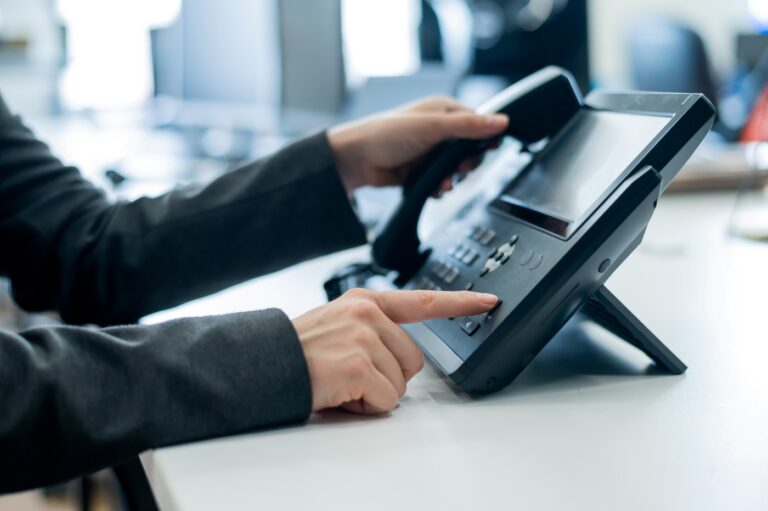
Call abandonment rate benchmarks are written for call centers. Here’s what the metric means for a home service business with no queue, and what good looks like.

Qualifying an inbound home service call is not the same as qualifying a B2B sales lead. The homeowner already has a problem and already intends to hire someone, so your job is to find out what you need in order to serve them, not to work out whether they are worth your time. Ask in the wrong order and you will lose jobs you had already won.

In home services a no-show costs more than an empty appointment slot — it costs drive time, fuel, a paid technician hour, and the job you could have booked instead.