Conversational marketing is the practice of engaging leads and customers one-to-one, in real time, through messaging: live chat, chatbots, SMS and the platforms people already use every day. It works because it does not feel like marketing. It feels like a conversation, which is what people respond to. Here is what it is, why it converts, and where automation fits.
Chances are you've heard the term "conversational marketing" thrown around in recent years. While the term is relatively new, the concept certainly isn't. In fact, it's one of the few strategies that cater to our base instincts and needs.
What is conversational marketing?

At its core, conversational marketing engages leads and customers one-on-one through messaging. Automated webchat for business is just a small component of a powerful conversational marketing strategy.
But it's so much more than just marketing, though. It also integrates customer service, sales, and analytics.
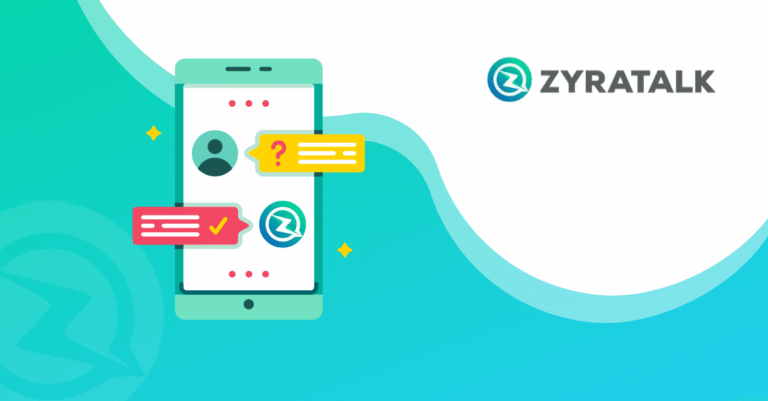
Here's an example. Someone lands on your site. An automated chatbot greets them. When they interact with a bot to ask a question, the chat is automatically logged in your dashboard.
They enter some basic information, like their name and email address. From there, your team has the option to contact them or even jump into the chat then and there.
This process takes just seconds. And it's over 20 times more likely to convert than forms.
What makes conversational marketing so effective

To fully understand why conversational marketing works so well, we need to return to our roots.
We humans are a social species. We don't just thrive on conversations and personal connections. We need them to survive. That might sound a little dramatic, but it's true.
The part of our brain dedicated to language and social interaction is much larger compared to other species. Social interactions impact us so deeply that we even experience physical pain when a member of our group rejects us.
We evolved this way for the very purpose of survival. Tens of thousands of years ago, our ancestors had to cooperate to survive. That primitive social order ultimately paved the way for the Industrial Revolutions that created global businesses. The very same ones that utilize conversational marketing.
Okay, that's enough history. Point is, our social natures are a big reason why we don't like pushy, inauthentic ad campaigns. Or feeling like we're being "sold" to.
Conversational marketing fosters real connections with real people that focus on the benefit of the benefit. Other types of marketing, when done wrong, can make the customer feel like they're just another cog in a money-making machine.
The role of automation in conversational marketing
"Wait, do people really like interacting with chatbots? They're not real conversations with real humans, after all."
We already covered some myths about chatbots in another post. What we'll say here is that chatbots optimize interactions between your employees and your customers.
Customer service agents and sales development reps have their hands full, to say the least. If they had to manually respond to every single message, manually qualify every single lead, would they have the time or energy to ensure their customers are satisfied?
They might. But maybe not as much as they would if those processes were automated.
Automation simplifies things for both parties. That way, your team has more time and energy to spend on what matters most — forging connections to answer questions, resolve complaints, boost customer satisfaction, and close more deals.
Wrapping up
Conversational marketing doesn't feel like marketing. It feels like a conversation. And that's what makes it so effective.
Still got questions about conversational marketing? Talk to us! And if you really want to speak to a human, all you need to do is ask and our bot will alert us right away.
Conversational marketing FAQs
What is conversational marketing?
Conversational marketing is a one-to-one approach that engages leads and customers in real time through messaging, such as live chat, chatbots and SMS. Instead of forms and one-way ads, it starts a two-way dialogue that qualifies and converts visitors while they are still on your site.
How is conversational marketing different from traditional marketing?
Traditional marketing pushes a message out and waits, often through forms, email blasts or pop-up ads. Conversational marketing responds instantly and adapts to what each person says, which feels less intrusive and converts a higher share of visitors.
Does conversational marketing actually convert better?
Yes. A live conversation removes the delay between interest and response, and engaging a visitor in chat is far more likely to capture a lead than a static form. Instant replies also stop prospects from leaving to find a competitor who answers faster.
Do I need a live agent available 24/7?
No. Automation handles the majority of conversations on its own, answering common questions and capturing details around the clock. A team member can jump into any chat that needs a human touch.
What channels does conversational marketing use?
It spans live chat and chatbots on your website, plus text messaging, phone and social messaging apps like Facebook Messenger. The goal is to meet customers on whichever channel they already prefer.
Is conversational marketing right for a small business?
Especially so. It lets a small team respond instantly and capture leads without hiring a full support desk, which levels the playing field against larger competitors.
Turn conversations into booked jobs
ZyraTalk greets every visitor, answers their questions, and captures the lead automatically, so no conversation goes to waste.
Book a demo- Answers instantly, 24/7
- Captures every lead's details
- Hands off to your team when needed